Willa Ludwig · 15 September 2026
Navigating Collaborative Annotation Systems for Tracking Shifts in Search Algorithm Behaviors Across Multi-Site Portfolios
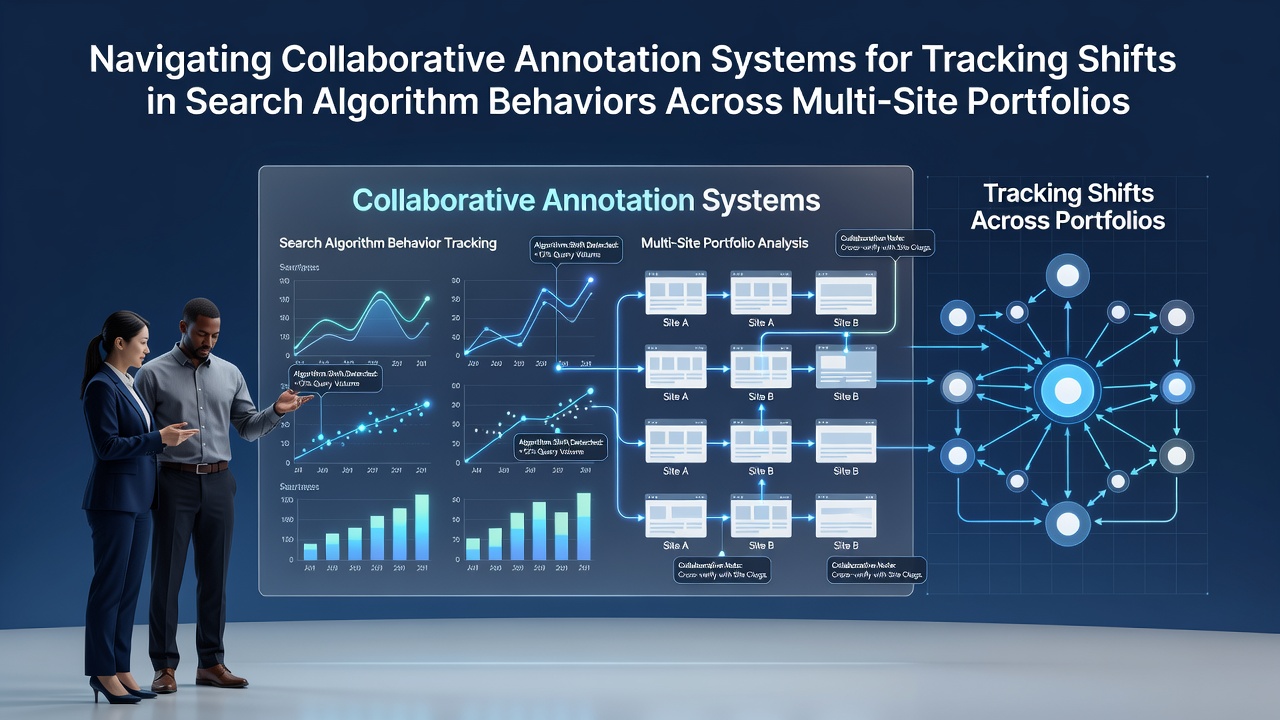
Collaborative annotation systems provide structured platforms where teams record observations about search engine behavior while multiple contributors add notes, tags, and timestamps to the same dataset. These tools centralize data from various domains so analysts can compare how ranking signals evolve across different site structures and content types. Data indicates that organizations managing ten or more properties rely on shared layers to isolate algorithm adjustments from site-specific factors such as crawl frequency or internal linking patterns.
Core Components of Annotation Platforms
Annotation platforms typically combine version-controlled logs with permission settings that let specialists from different regions contribute simultaneously without overwriting prior entries. Researchers at institutions including the University of Waterloo have documented workflows where teams attach screenshots of SERP layouts alongside keyword performance metrics, creating traceable records that persist through multiple algorithm iterations. Systems often integrate APIs from major search engines so fresh ranking data flows directly into the annotation layer and triggers alerts when thresholds are crossed.
Users assign custom fields for elements like content freshness scores or backlink velocity, then apply filters that surface patterns across the entire portfolio. This structure supports longitudinal analysis because each entry carries metadata on the date, contributor, and affected domains, allowing later review without reliance on scattered spreadsheets or email threads.
Managing Shifts Across Multiple Properties
Teams overseeing portfolios distributed across different top-level domains encounter varying crawl budgets and indexing priorities that can mask or amplify broader algorithm updates. Collaborative annotation systems address this by enabling side-by-side comparisons where an observed drop on one site can be cross-referenced against stable metrics from sister properties within minutes. Observers note that tagging conventions standardized across the team reduce duplication while highlighting whether a change appears isolated or widespread.
September 2026 brought incremental refinements to several enterprise annotation tools that introduced automated clustering of similar SERP modifications, helping analysts distinguish between localized experiments and industry-wide rollouts more efficiently. These updates also incorporated export functions compatible with visualization software used by reporting departments in multiple time zones.

Tracking Specific Algorithm Behaviors
Search algorithm behaviors encompass adjustments to relevance scoring, snippet generation, and mobile-first indexing priorities. Annotation entries capture the timing of these adjustments relative to content updates or technical changes on individual sites, producing datasets that support statistical correlation studies. According to reports from the Australian Competition and Consumer Commission on digital platform transparency, such granular logging assists organizations in meeting compliance expectations around algorithmic accountability.
Filters within these systems allow queries for annotations linked to particular update windows, revealing whether a core update affected commercial queries differently from informational ones across the portfolio. This capability proves useful when teams must prepare internal briefings that separate controllable site factors from external ranking modifications.
Implementation Considerations for Teams
Successful deployment begins with establishing clear taxonomies for annotation categories so contributors apply consistent labels from the outset. Integration with existing analytics suites ensures that performance deltas appear alongside human observations rather than in isolated silos. Training sessions often cover how to reference external documentation, such as official statements from search providers, directly within each annotation thread.
Access controls limit visibility of sensitive portfolio details while still permitting cross-functional input from content strategists and technical specialists. Audit logs track every addition or edit, supporting accountability requirements common in larger organizations that operate sites in multiple regulatory jurisdictions.
Conclusion
Collaborative annotation systems supply the infrastructure needed to maintain coherent records of search algorithm shifts while teams coordinate across dispersed site portfolios. Standardized tagging, version history, and API integrations create conditions where patterns become visible sooner and with greater context than fragmented manual methods allow. Organizations that adopt these platforms position themselves to respond to ranking changes with documented evidence rather than anecdotal recollection.