Hugo Keller · 29 September 2026
Examining How Distributed Teams Leverage Shared Annotation Logs to Refine Keyword Targeting Over Time
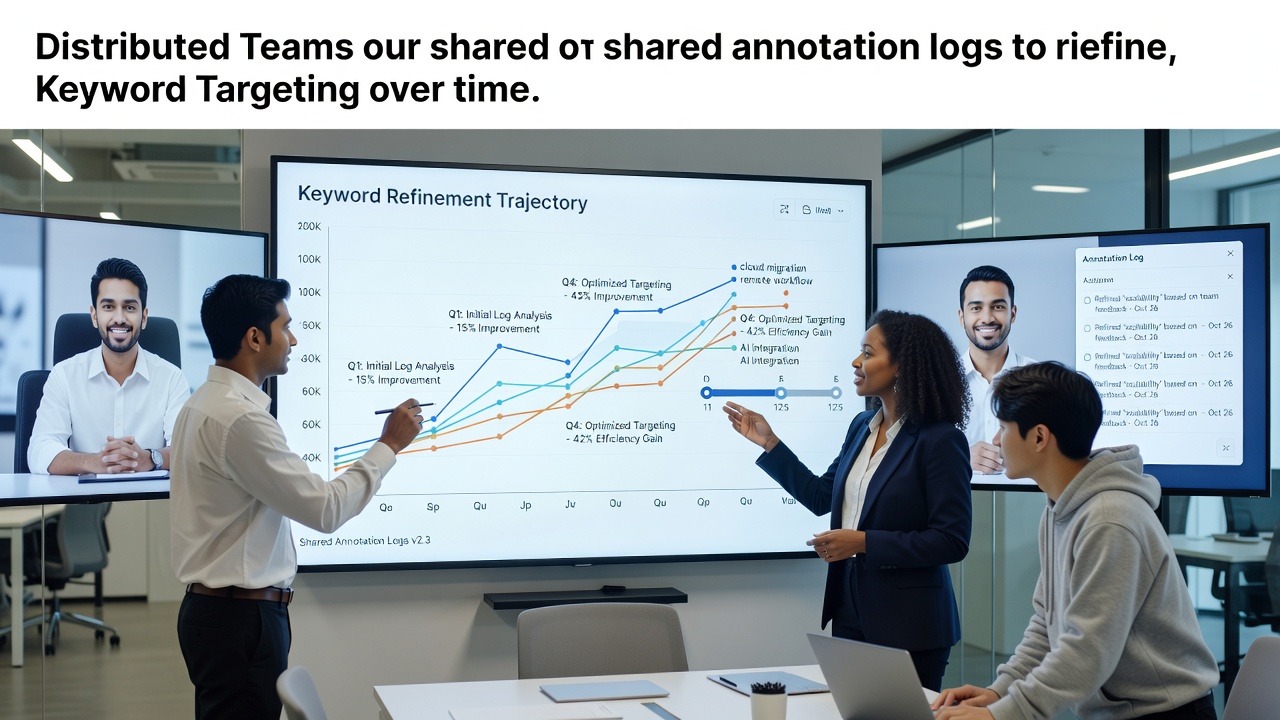
Distributed teams coordinate across time zones and locations through shared annotation logs that track keyword performance data, user search intent shifts, and campaign adjustments in real time. These logs function as centralized repositories where team members add notes, metrics, and observations about specific keywords, allowing patterns to emerge over months or years rather than isolated reporting cycles.
Core Mechanisms of Shared Annotation Logs
Teams structure these logs with fields for keyword phrases, initial targeting rationale, performance indicators such as click-through rates and conversion metrics, plus timestamped annotations from different contributors. When one analyst in a European office records a drop in search volume for a long-tail term, colleagues in Asia or North America can immediately append related queries or seasonal factors that explain the change, creating a cumulative record that supports iterative refinement without redundant research efforts.
Integration with project management platforms and analytics dashboards keeps the logs synchronized so updates propagate across all access points. Data shows that organizations maintaining consistent annotation practices reduce duplicate keyword research hours by consolidating insights from multiple sources into single reference points.
Processes for Refining Keyword Targeting Over Extended Periods
Refinement occurs through regular review cycles where teams examine annotation clusters to identify underperforming terms or emerging opportunities. In September 2026, several enterprise marketing groups reported implementing automated tagging systems that flag annotation entries showing repeated mentions of intent mismatches, prompting targeted audits of related keyword clusters.
One common workflow involves assigning annotation responsibilities by region or channel so specialists contribute localized observations while a central coordinator merges overlapping notes into unified strategy documents. Researchers at institutions studying remote collaboration have documented how such division of labor accelerates identification of cross-market keyword cannibalization issues that single-location teams often overlook.
Technology Enablers and Data Integration Practices
Modern annotation tools incorporate version control features similar to code repositories, recording every edit along with contributor identifiers and change rationales. This audit trail proves valuable when teams need to trace why a particular keyword shifted from broad to exact match bidding or why content optimization priorities changed following algorithm updates.

API connections between annotation platforms and major search analytics services allow performance data to populate log entries automatically, reducing manual entry errors while freeing analysts to focus on interpretive notes. According to findings from OECD digital economy reports, organizations that combined automated data feeds with human annotations achieved more stable keyword rankings across multi-quarter campaigns compared with teams relying solely on periodic exports.
Case Examples from Industry Applications
Marketing departments at multinational retailers have used shared logs to track how mobile search behavior diverged from desktop patterns over successive holiday seasons, with annotations capturing device-specific conversion differences that informed separate bidding strategies. A study conducted by researchers at the University of Melbourne highlighted similar patterns in e-commerce sectors where distributed content teams adjusted keyword clusters based on accumulated notes from customer support interactions logged alongside search data.
Teams operating in regulated industries maintain additional annotation layers documenting compliance considerations tied to specific terms, ensuring that refinements remain aligned with evolving legal requirements across jurisdictions. These practices create searchable histories that new team members can review to understand prior decision frameworks without disrupting ongoing campaigns.
Measurement of Long-Term Impact
Performance tracking extends beyond individual keyword metrics to encompass portfolio-level indicators such as overall organic traffic stability and cost-per-acquisition trends across refined targeting sets. Teams that maintain comprehensive logs often observe compounding benefits as historical annotations reveal seasonal or cyclical patterns invisible in shorter analysis windows.
External benchmarks from industry groups like the Association of National Advertisers indicate rising adoption of collaborative annotation systems among organizations managing campaigns across distributed workforces. These systems support continuity when personnel changes occur, preserving institutional knowledge about keyword evolution that would otherwise require repeated onboarding investments.
Conclusion
Shared annotation logs provide distributed teams with structured mechanisms for accumulating and acting upon keyword intelligence across extended timelines. The combination of human interpretive notes with automated performance data creates reference resources that support consistent refinement while accommodating geographic and scheduling differences inherent to remote collaboration structures. As search environments continue evolving, the documented practices around these logs offer measurable pathways for maintaining targeting relevance without centralized physical presence.